
About
Therapy With You At The Core
At MOVN, we’re reimagining what therapy can be. We are a practitioner-founded collective offering both empirically validated and embodiment-based care rooted in contemporary affective neuroscientific research and integrative practice drawn from somatic, psychological, and contemplative traditions. Our work exists in resonant dialogue with Indigenous worldviews that honor interconnection, cyclical time, and the deep continuity between the body, mind and life.
We are trained clinicians with deep mental health expertise—and we recognize that healing does not come from expertise alone. We balance our clinical knowledge with humility, presence, and a commitment to honoring your lived experience. From the very first session, we aim to create a space where you can step back, feel supported, and begin to reconnect with your own sense of agency and calm.
We believe that personal experience always arises, continues, and transforms within relational contexts—and that both therapist and client influence one another. Our clinicians bring the whole of themselves into the therapeutic relationship.
Our collective is intentionally designed to meet you where you are and move with you as you grow. Whether you’re a client, a clinician, or a community collaborator, you’ll find care here that is relational, responsive, and real.
Our work includes:
- Embodied, psychodynamic and depth psychotherapy practices that reconnect you with your embodied intelligence and psychological resilience
- Movement groups rooted in research-informed frameworks and principles of autonomic nervous system regulation
- Clinical supervision and mentorship for early-career and pre-licensed therapists, focused on supporting your professional identity, honoring your unique voice, and building your own practice
We operate from a foundation of trauma-informed, strengths-based, and culturally humble care. Empowerment, collaboration, and social responsiveness are not just values—they’re our method.

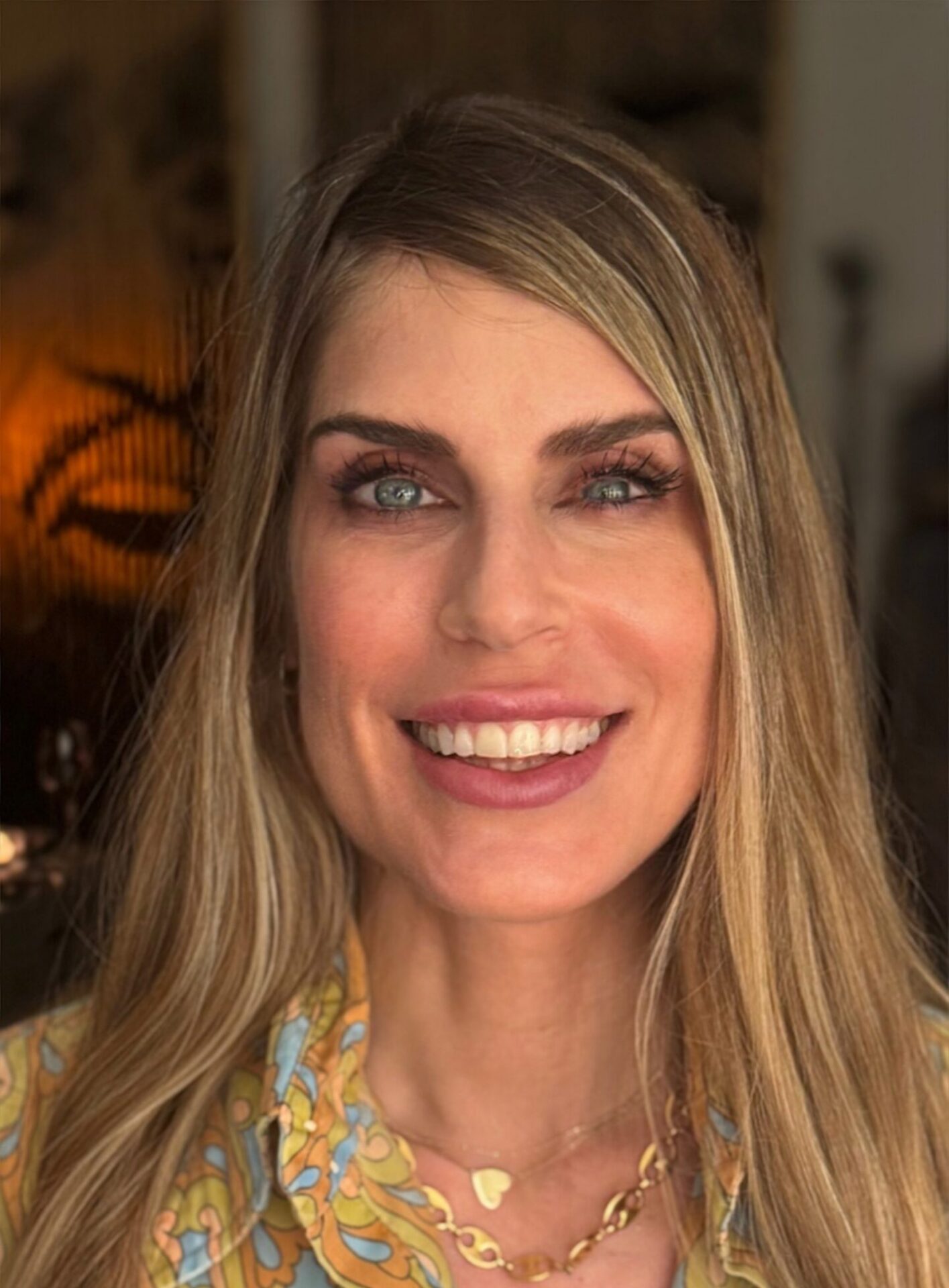

Heather LaFace, PhD
Founder/Clinical Director
Licensed Clinical Psychologist, Los Angeles, California.
Creating therapies based on who we become when we are together.
Movn: A Psychology of Movement
Movement, perception, and the self are intimately intertwined. How we inhabit the body shapes how we move—and how we move reshapes how we perceive, relate, and become.
Movn is a psychology of movement—an approach that sees selfhood as a living system, in motion, shaped by relationships, feedback loops, and embodied experience – from the micro-cellular to the eco-socio. We see the experience of being as a dynamical process: relational, rhythmic, and organizational.
The Autonomic Nervous System plays a central role in our lives—not just biologically, but as a foundational structure of perception, behavior, and relational capacity. It’s through the ANS that we link sensory experience to core affective states, organize behavioral patterns, and access our capacity for connection.
My Background & Training
I am a licensed clinical psychologist with over 15 years of experience working in both private and institutional mental health settings. My clinical work is informed by the lived realities of human transformation—how people actually change, how systems shape us, and what it takes to restore connection, vitality, and meaning.
For many years, I have found that traditional talk therapy—while essential—sometimes needs to be extended into other forms of embodied and relational experience. My work incorporates talk therapy, while simultaneously moving beyond it—into a living systems paradigm where transformation occurs through relational embeddedness, embodied process, and intentional relational frameworks.
Much of the time people need a different space to experience themselves in – a space of increased complexity, a communal space, a group space, a space that allows for the emergent structure of relational participation. When we bring people together in groups, we have more opportunity within felt participation and also the living system of perception – embodied, relational, *and* in context.
I hold a PhD in Clinical Psychology from Pacifica Graduate Institute, where I began integrating Jungian and other forms of depth psychological inquiry with systems thinking. Over the past fifteen years, I’ve worked as a staff psychologist in both inpatient and community mental health settings, and served as a supervising psychologist in (a) group practice. I currently teach and supervise (in) an existential psychoanalytic training program, and have taught graduate courses in affective neuroscience, law and ethics, group process, and interpersonal neurobiology. My ongoing accreditations, studies and practices include (and are not limited to) Authentic Movement (with Professor Helen Payne), Rosen Method, T’ai Chi, and I am a longtime embodiment practitioner and certified Shamanic Breathwork facilitator. These lineages, along with my involvement in the R.D. Laing Society and certification in Attachment-Focused EMDR, shape a practice rooted in depth, ethics, and relational coherence.
In moving outside of the medical model entirely, movn opens up possibilities for activism, peer support, disability justice, and other uplifting social practices. There are no easy answers, but that means there’s even more room for imagination.
This work lives at the intersection of relational clinical practice and emergent systems. It is rooted in deep listening, mutuality, movement, and presence.
I hope to meet you there.
My journey has been shaped by four key influences that converge in my work today:
- Clinical Work – The direct work with patients in individual psychotherapy, inpatient settings, and group psychotherapy practice.
- Movement, Performance, and Theatre – A background in movement, dance, and performance has deeply informed my approach to transformation and resilience.
- Systems Thinking & Self-Organization – Seeing life as a dynamic, interdependent system shapes how I approach change to enact a holistic practice. I work with self-organizing relationships and their emerging co-creating relations within a complex system, namely the human central nervous system. I understand the urgency of utilizing systems thinking in daily life – not as abstract theory, but in terms of creating motivational states, healthy habit formation, and understanding the nature of our relationships in concretely applicable ways.
- Contemporary Affective & Social Neuroscience – My work is grounded in contemporary neuroscientific views on the interrelations between mind, brain, body and the social world.
Professional Affiliations

Board of Directors, Wright Institute of Los Angeles Alumni Association

Member, California Psychological Association

New School for Existential Psychoanalysis


Randi Jackson, PhD
Licensed Psychological Associate
I am Dr. Randi Jackson. I see therapy as a space to slow down and make sense of what matters most to you.I work with attuned awareness of the social-emotional and eco-socio contexts that shape each person’s experience — including culture, community, relational systems, and the broader ecological environments we live within. I understand mental health as something that takes shape in relationship — to the systems, cultures, and communities we’re a part of.
My work invites clients to explore how identity, developmental transitions, performance pressures, and interpersonal dynamics interact with personal well-being. My approach is collaborative, relational, and integrative. Drawing from ACT, CBT, and DBT — alongside my training as a certified yoga and mindfulness instructor and my experience facilitating “Yoga as Lifestyle Medicine” psychotherapy groups for adults living with chronic illness — I blend evidence-based interventions with embodied awareness. I help clients cultivate clarity and sustainable coping practices while staying connected to their values and their communities. My ongoing, unfolding expertise is shaped in part by my postdoctoral fellowship at Stanford’s Psychosocial Treatment Clinic, where the “Yoga as Lifestyle Medicine” program was developed.
I enjoy working with a wide range of concerns, including anxiety, depression, trauma, identity development, grief, life transitions, substance use, body image, disordered eating, chronic illness and injury, and work-related stress. I have a particular passion for supporting high-achieving professionals, athletes, creatives, healthcare providers, and others navigating performance demands, role strain, burnout, and systemic stress within complex environments. I accept Anthem and Aetna, out-of-pocket, and clients with out-of-network benefits for Anthem and Aetna PPO plans.
*Dr. Randi Jackson is a licensed psychological associate practicing under the supervision of Dr. Heather LaFace
Pacifica Graduate Institute
Ph.D., Clinical Psychology
Pacifica Graduate Institute
Ph.D., Clinical Psychology
What You Need To Know
Does teletherapy really work?
Yes! Teletherapy has been shown to be just as effective as in-person therapy, and it often makes treatment more sustainable and accessible. We use a secure, HIPAA-compliant video platform. Before each session, you’ll receive a private link—simply click, find a quiet, private space with a good internet connection, and you’re ready. We believe that ease of access and continuity are key ingredients to a successful therapeutic alliance.
Do you take insurance?
Yes, we accept Anthem and Aetna insurance.
What are your therapy fees, and do you offer a sliding scale?
Our clinical associates provide therapy for clients using Anthem and Aetna insurance and private-pay. For private-pay clients, our fees range from $140 to $300 per hour, possibly lower, depending on the clinician. Please inquire directly about sliding-scale availability.
I'm new to therapy—what can I expect?
We’re delighted to support you in your first therapy experience. Initially, you’ll have a brief phone consultation to help us determine your needs and how we can best be of service to you. If the match feels right, we will schedule your first teletherapy session, where you can explore your reasons for seeking therapy. We emphasize creating a safe, trusting environment that empowers your voice, choice, and active collaboration.This means:- Safety: Growth and change and healthy relations occur when you feel safe.
- Trust and Transparency: We build trusting relationships so you can trust both the therapy process and yourself. We talk to you about the treatment and why we do what we do.
- Choice and Voice: Your perspectives and goals shape the therapy process.
- Collaboration and Mutuality: Therapy is a partnership designed to address your unique challenges.
- Empowerment: We support your confidence, self-management, and autonomy.
- Cultural, Historical, Racial, and Gender Sensitivity: Your personal experiences and identities—cultural, historical, racialized, and gendered—are deeply respected. We recognize race as a social construct that shapes experiences and approach racial identity with awareness, sensitivity, and humility.
- Dignity: We affirm the inherent worth of every person. Dignity is not something to be earned—it is something we hold sacred in all our therapeutic relationships. We work to ensure that each person’s story, body, voice, and history is honored in both subtle and explicit ways.
Early sessions help establish whether the therapeutic relationship feels beneficial. Therapy can involve navigating challenging emotions, but it should not feel constantly overwhelming. Open communication helps us maintain a pace and approach that feels safe and productive for you.What types of therapy do you offer?
We offer several evidence-based therapeutic approaches tailored to your needs:- Psychodynamic Therapy: Explores unconscious patterns impacting your present life and relationships, fostering deep self-awareness and healthier relational patterns.
- Acceptance and Commitment Therapy (ACT): Uses mindfulness to help you develop a healthier relationship with difficult thoughts and emotions, empowering you to live more fully in the present.
- Cognitive Behavioral Therapy (CBT): Helps you identify and shift unhelpful thought patterns and behaviors, enhancing coping skills and emotional well-being.
- Mindfulness Therapy: Enhances awareness of your present thoughts and emotions through guided exercises, providing effective tools for managing anxiety, depression, and other concerns.
- Internal Family Systems (IFS): Addresses internal conflicts by recognizing and healing the various ‘parts’ of the self, fostering inner harmony and a more fulfilling life.
- Restorative Embodiment Movement Groups: Combines mindfulness, movement and somatic practices within a supportive group setting, fostering nervous system regulation, social-emotional insight, self-awareness, breathwork, and emotional restoration.
- Humanistic-Existential Psychotherapy: Emphasizes personal responsibility, authenticity, and the search for meaning. This approach empowers clients to live more genuine and fulfilling lives by exploring existential concerns and personal values. Humanistic psychology serves as a corrective to mainstream psychology, challenging medical models and promoting anti-colonial, critical, ecological, and liberation-oriented practices. It values empirical and evidence-based research while embracing philosophical depth, self-organizing and systems-thinking perspectives, epistemological pluralism, and transdisciplinary approaches with expanded views of science and international perspectives.
- Jungian Psychotherapy: Uses principles derived from Carl Jung’s analytical psychology to explore the nonconscious, the self-organizing psyche, dream analysis, archetypes-as-such, and personal narrative mythology. Jungian therapy supports deeper self-awareness, creativity, and psychological integration, emphasizing spiritual exploration of the inner divine and interconnected relationships between self, world, and nature. It also embraces flexible and contemporary interpretations of Jung, promoting inclusive dialogue across diverse cultural, spiritual, philosophical, indigenous, qualitative, and quantitative ways of knowing.
- Attachment-Focused EMDR (AF-EMDR): Integrates the principles of Eye Movement Desensitization and Reprocessing (EMDR) with attachment theory, helping individuals heal from trauma by strengthening internal emotional connections, fostering a sense of safety, and promoting lasting relational and psychological well-being.
- Insight Process Psychotherapy Groups: These groups are facilitated by a licensed therapist and are designed to help individuals explore and remediate psychological and interpersonal challenges at a deeper level. While both support groups and insight-oriented groups may offer emotional support and mutual encouragement, support groups are typically centered around shared life experiences and may or may not have a trained facilitator. In contrast, insight process groups are structured to foster self-reflection, relational awareness, and transformation through real-time, in-the-moment interactions among members. The therapist attends to unconscious dynamics, group process, and systemic patterns, creating conditions for meaningful insight to emerge. These groups help participants rework core dimensions of personality and perception through the unique relational field of the group. These live interactions offer opportunities for meaningful feedback, affective resonance, and mutual reflection—dynamics that are not always available in individual therapy.
- Trauma-Informed vs. Trauma-Focused Therapy: In our practice, we distinguish between trauma-informed and trauma-focused therapy. Trauma-informed therapy recognizes the pervasive impact of trauma and works to create safety, trust, and empowerment in the therapeutic relationship. Trauma may not be the presenting issue, but its imprint is often present in how clients relate, cope, and view themselves. By contrast, trauma-focused therapy centers trauma as the explicit subject of treatment. While trauma-focused treatment directly addresses the traumatic event, trauma-informed care emphasizes stabilizing the present and restoring agency before delving into the past. That’s why we live by the guiding principle: Self-work before trauma work. Most of us arrive at therapy carrying what might be called current problems in living—things like stress, depression, relationship struggles, anxious thoughts, or compulsive and addictive patterns. Effective care means meeting clients where they are, supporting capacity-building, and avoiding premature reactivation of traumatic material. We focus on empowering clients in the present, restoring trust in themselves and in relationship—so that if and when trauma work begins, it’s safe, collaborative, and grounded.
What is your cancellation policy?
We require 48 hours’ notice for cancellations to avoid being charged the full session fee. For group skills classes, cancellations or refunds aren’t provided, but you’re welcome to attend a free makeup session in another group.
Do you provide Good Faith Estimates?
Yes, under federal law, we provide a “Good Faith Estimate” for expected therapy costs to clients without insurance or who choose not to use their insurance benefits. For detailed information about your right to this estimate, please visit www.cms.gov/nosurprises.
How much will my insurance reimburse for therapy?
Reimbursement varies by insurance plan. We recommend contacting your insurer directly to confirm your out-of-network mental health coverage, including any deductibles. We provide an insurance-ready “superbill” for your convenience.
How long are therapy sessions?
Individual and couples therapy sessions last 50 minutes. EMDR sessions range from 50 minutes to 1 hour and 20 minutes. Group therapy sessions range from 60 minutes to 1 hour and 40 minutes.
How often do we meet for therapy?
The standard of care under the California Board of Psychology is at least one session per week. We typically start with weekly sessions and can adjust frequency based on your individual needs and therapeutic goals.
How long does therapy last?
Therapy length varies based on your goals. Some clients address specific issues in a shorter time frame, while others explore deeper patterns or emerging topics over a longer duration. The process is personalized to your evolving needs.
I know some people who see their therapist every other week or “as needed.” Is that ethical psychotherapy?
Each therapist-client relationship is tailored to the needs and context of that individual person and their relationship to therapy. Out of respect for the uniqueness of each therapy relationship, we don’t pass judgment. However, our therapists meet with their clients once a week, minimum, when possible.
What is the difference between counseling and psychotherapy?
While counseling and psychotherapy share many similarities, psychotherapy typically takes a deeper and longer-term approach. It addresses underlying emotional patterns, historical triggers, and unconscious dynamics. Psychotherapy is also a legal relationship with a duty of care and often supports lifelong tools for change. Counseling may focus more on short-term goals or situational support.
What makes psychotherapy different from other relationships I might consider “therapeutic” or helpful?
Psychotherapy is distinct because of its intentional structure: it includes clear boundaries, agreements, confidentiality, and a dedicated space for your inner experience. It’s not mutual or reciprocal—it’s all about you. This frame is what allows for safety, depth, and meaningful change.
What are your commitments to psychological and social justice?
movn Embodiment Collective was envisioned and founded to reimagine psychotherapy—centering the lived, embodied experience of each person within their social, cultural, and relational context. We believe psychotherapy is not just individual, but deeply relational and collective. Our clinicians are committed to creating an environment of safety, belonging, and respect, while honoring interdependence, social justice, and difference.
How many FAQs are too many FAQs?
Great question! Our web designer and marketing team insists “10 is ideal,” but we’re therapists, not minimalists. So… let’s just say we believe in informed consent. You’re welcome.