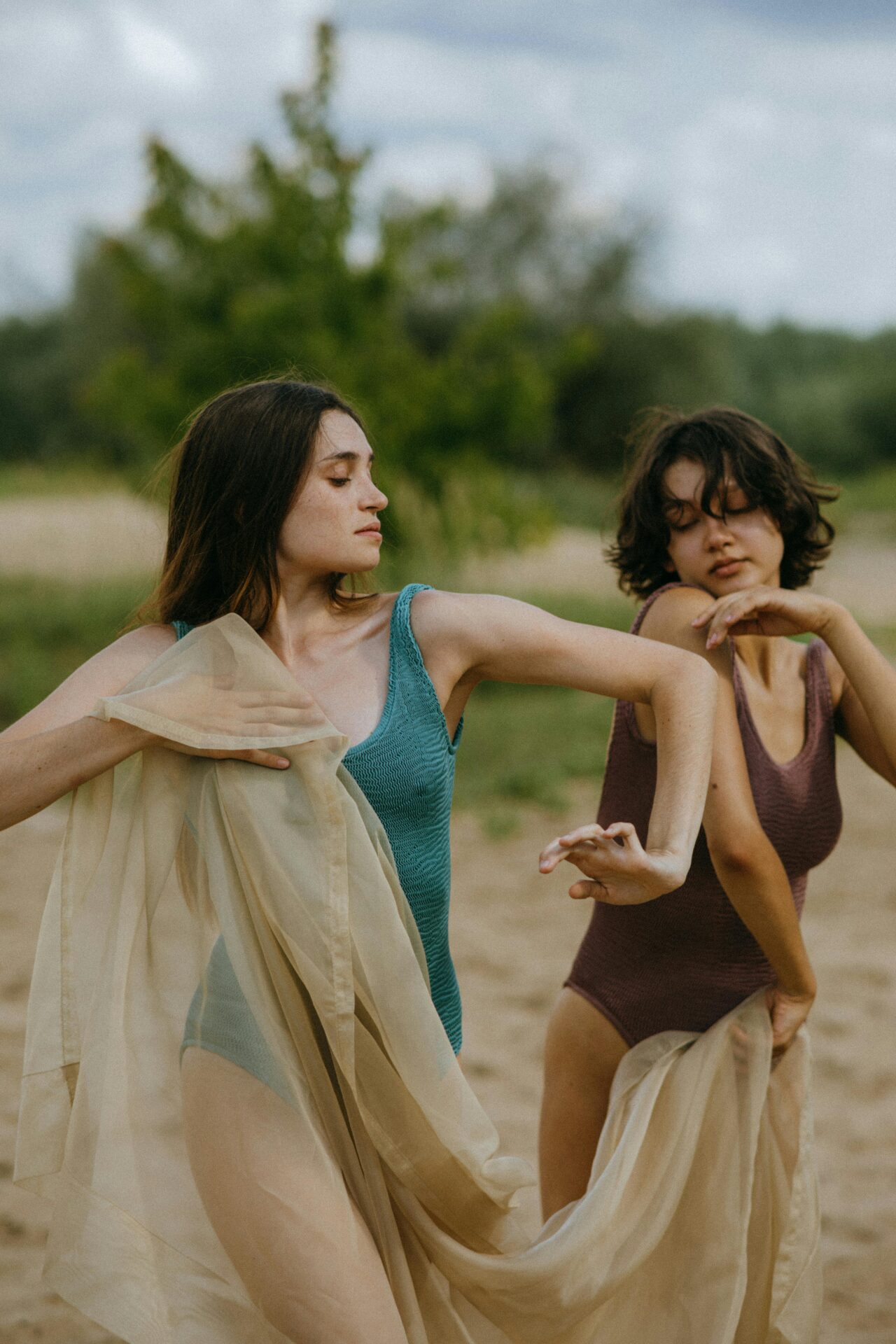
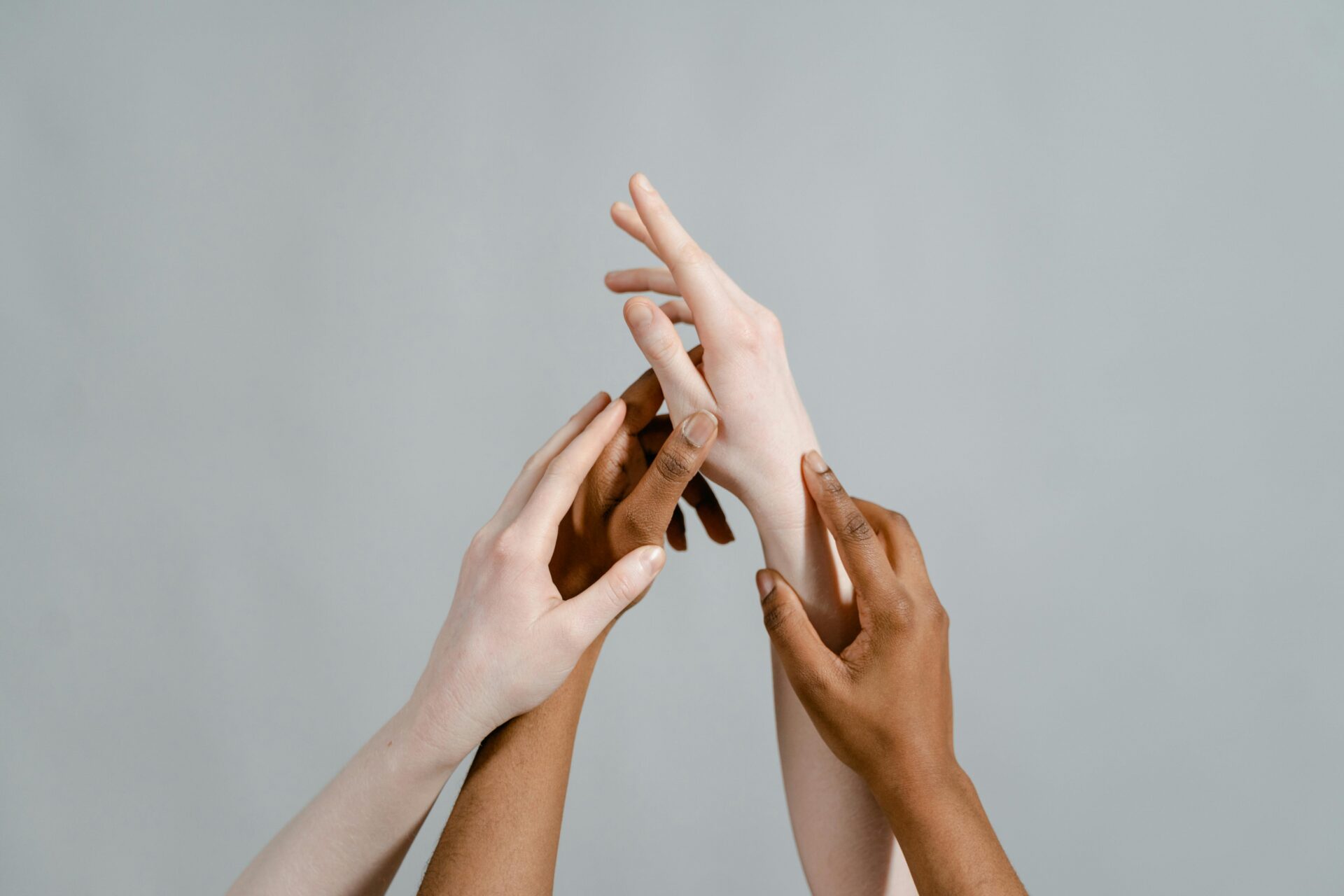
Donella Meadows wrote about dancing with systems to describe how complexity moves with the patterns of life rather than against them. She understood that complexity doesn’t yield under force. It reorganizes through relation, timing, and feedback. This has always felt, to me, like the deeper logic of loving.
Loving in this sense is not a category of relationship. It is not owned by romance, family, or sanctioned forms of connection. It is a mode of participation — a way of orienting toward the world, toward others, toward possibilities, and toward the parts of ourselves we cannot yet inhabit.
And this is where the wound enters: in the longing to be seen, known, and found for who we truly are — not as we perform, defend, or aspire, but as we actually are, in the strangeness we carry and the unknowability that makes us irreducible.
Loving makes that longing visible. The wound makes it unbearable. Both are required for transformation.
Loving is a wicked problem. It loops. It refuses resolution. It demands conditions. And it asks us to risk ourselves, again and again, inside the uncertainty of complexity.
Borrowing from Donella’s 10 principles, here are ten ways I have learned to dance with living systems.
Feel for the longing.
Longing is not deficiency. It is directionality. The missing is not lack — it is the organism sensing the more before it arrives. If you track the longing instead of trying to eliminate it, it will tell you where the system wants to go.
Stay with the complexity.
Loving, identity, intimacy, and growth are interesting problems. They don’t resolve, they recur. This complexity isn’t a failure of design; it’s evidence that the system is operating at a scale larger than our current model.
Expand what counts as loving.
Loving is a verb. It includes unsanctioned forms of devotion: the animal you ache for, the coastline you miss, the idea that rearranges your interior, the project you can’t give up, the patient who changes you, the landscape that feels like home, the mother you’re losing. Loving is how the world becomes relational.
Let the missing orient you.
What feels missing is not a void to fill. It is also an attractor. It generates movement, imagination, and risk. The missing and the more are the same phenomenon viewed from opposite sides of becoming.
Notice when recognition activates the wound.
Being seen is the deepest hazard and the deepest hunger. Recognition calls the wound forward. The wound makes recognition possible. This is why loving often feels like standing in the eye of the hurricane.
Let the system answer.
When you risk exposure — when you offer yourself to being seen — the system responds. Sometimes with opening. Sometimes with departure. Sometimes with collapse. Feedback is the system teaching you its logic. It is not verdict; it is information.
Re-enter the hurricane.
Transformation is recursive. You cannot love once and be done. You cannot reveal yourself once and be known. Systems reorganize through re-entry — through returning to the wound with more support than the last time.
Create the conditions for the more.
Nothing emerges without conditions. The more requires support, time, presence, witnesses, structure, and mutuality. Growth is not a solitary project, and willpower cannot substitute for context. Systems require holding environments to shift.
Remain unknowable, remain real.
Otherness is not an obstacle to intimacy. It is the engine of it. The parts of us we cannot fully know are the same parts that draw us into relation and make becoming possible. Do not try to resolve your own strangeness. It is where the life is.
Let paradox become home.
Wicked problems do not resolve; they become inhabitable. The wound does not close; it becomes a site of transmission. Recognition does not conclude; it deepens. Loving does not fix us; it makes us real.
And the intimacy we long for — the being found — is what keeps calling us into relation. It unfolds between us and what we love, what we are drawn toward, who we dare to meet. Being seen and known requires Otherness. It requires difference. And it requires courage; inescapable, worthwhile risk.
— Heather, MOVN Founder